Is Whiskey Investment Legit in 2026?

You may be asking this after a social-media ad promised tax-free cask gains. That is a fair question. Some whiskey markets are real. Many “investment” pitches are not.
Whiskey investing can be legitimate when you buy a real bottle or a real cask you can prove you own. It is often not legitimate when a cold caller sells you a certificate and a 20% return story. This guide separates those paths so you can protect your money.
What “Legit” Means for Whiskey Investing
A legitimate investment has a real asset, clear title, honest pricing, and a way to sell. Whiskey can meet that test. A lot of retail cask marketing does not.
There are two different products.
Bottles – You buy sealed whisky from a shop or auction. Condition, label, and box matter. Reputable houses such as major auctioneers publish results. Prices can fall. Fakes exist. You still own a physical bottle you can hold.
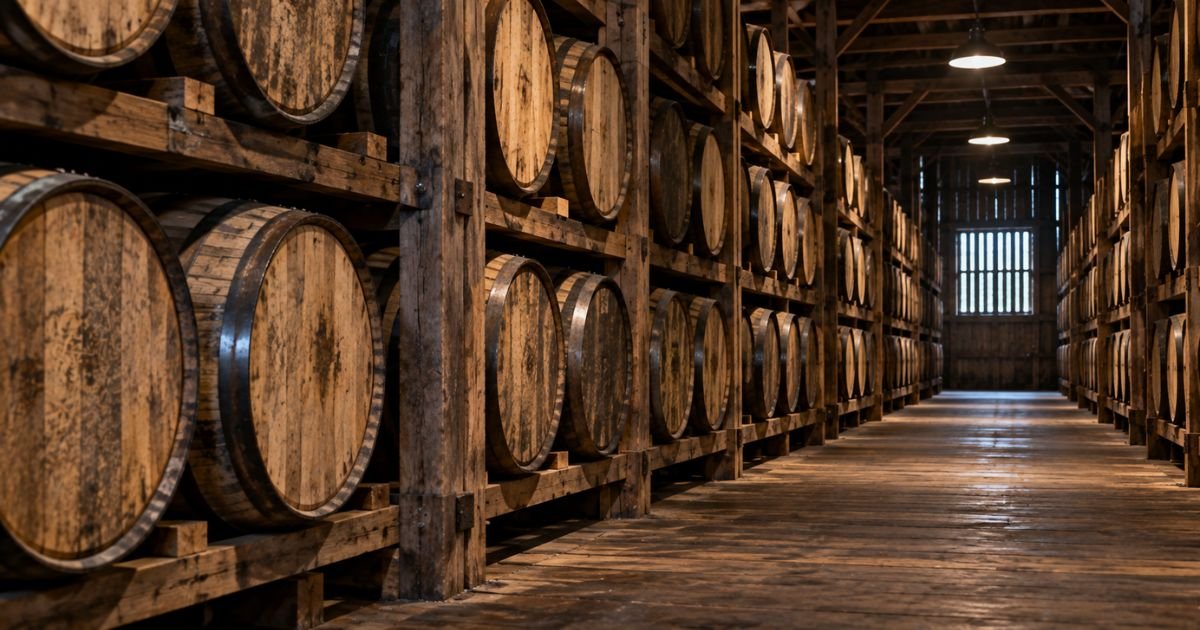
Casks – You buy a barrel of maturing spirit in a bonded warehouse. The liquid changes as it ages. About 2% of the volume typically evaporates each year. That “angel’s share” can improve flavor. It also shrinks what you can sell. If alcoholic strength falls below 40%, a Scotch cask can lose its legal name.
Cask sales to the public are generally not regulated like stocks. In the UK, the Financial Conduct Authority does not treat a cask as a standard investment product.
That usually means no Financial Services Compensation Scheme cover and no Financial Ombudsman path if the seller vanishes.
US buyers typically face collectible treatment and warehouse rules, not a registered security with SEC-style disclosures.
The Scotch Whisky Association has warned for years that there is no official public price list for casks and no single exchange. Values rise and fall with demand. Storage, insurance, and later duty if you bottle are extra costs.
So is whiskey investment legit? The asset can be. The salesperson may not be.
Why Cask Ads Keep Showing Up, and Why Regulators Act
The pitch is simple. Buy young spirit cheap. Wait. Sell scarce old whisky. Some long-term owners of fairly priced casks have made money that way. That history is not the same as a Facebook ad quoting 55% a year.
UK watchdogs have kept busy.
In January 2026, the Advertising Standards Authority upheld complaints against Whiskey & Wealth Club ads. The ads were found misleading on returns and failed to make clear that whiskey investment is unregulated and lacks compensation-scheme protection.
In August 2026, the UK Insolvency Service shut Cask Spirits Global Limited. Investigators looked at 17 customers who paid about £97,000. Only four had valid ownership papers.
Some certificates named a company that did not exist or described casks that were not there. The firm used social ads and calls. The High Court wound it up on August 25, 2026.
A 2025 BBC investigation, Hunting the Whisky Bandits, documented missing casks, the same barrel sold to more than one buyer, and huge markups.
One operator was identified as a convicted fraudster working under another name. Police inquiries into cask firms have continued. Other names have gone into administration, leaving buyers as unsecured creditors when paperwork was only a “certificate.”
That pattern is why “legit” cannot mean “I got a PDF and a warehouse photo.”
Bottles, Distillers, and What Prices Have Done
Rare-bottle auctions are a clearer market than most private cask deals. Hammer prices are public. You can compare last sales. The boom years after 2016 created a collector wave. The years after 2022 were harder.
Secondary-market trackers have shown steep drops from the peak for many traded Scotches. One market-weighted view of 500 heavily traded Scottish bottles was cited down close to 30% over about three years into early 2026. Individual icons can bounce. The average bottle is not a money printer.
Big drinks companies have also faced softer Scotch and whiskey demand in places, plus tariff noise. Overproduction of American whiskey after the boom left more barrels in rickhouses. Extra supply generally does not help flippers who bought at peak stories.
None of that makes every bottle a scam. It does mean advertised “always up” charts are out of date.
| Route | What you own | Typical protection | Main catch |
|---|---|---|---|
| Auction bottle | A specific sealed bottle | Auction terms, visible prices | Fees, fakes, falling collector demand |
| Distillery or broker cask with warehouse title | A numbered cask in a real bond | Warehouse records, if checked | Illiquid, evaporation, storage bills |
| Social-ad “cask investment” | Often only a certificate | Usually none | Fake or double-sold casks, no exit |
Costs and Risks the Brochure Skips
Even a real cask is not free to hold.
- Storage and insurance – Bonded warehouses charge every year.
- Regauges – You pay to measure what is left and the strength.
- Evaporation and leaks – Volume and strength can fall faster than you plan.
- Exit – Independent bottlers and trade buyers are the real market. The original seller may be the only bid, at a steep haircut.
- Duty and tax – Bottling or bringing spirit into the US can trigger excise and other taxes. US collectible gains can face a higher top capital-gains rate than regular stocks. UK “wasting asset” talk does not automatically apply to a US taxpayer.
- No income – The barrel pays no rent.
Fraud risk sits on top of those market risks. A pretty website is not due diligence.
Who Should Consider It, and Who Should Walk Away
Whiskey as an investment may fit only extra money you can lose, plus a genuine interest in the drink. It is a poor retirement plan.
It may be a better match if you buy bottles at public auctions, store them well, and accept a 10-year hobby. It may be a worse match if a stranger on the phone is rushing you before “the allocation closes.”
A simple way to think about it:
- You can confirm the warehouse has your name on that cask number.
- You have a delivery order or equivalent title, not just a certificate.
- You compared the ask with a second broker or the distillery.
- You can pay storage if nobody bids for five years.
- You ignore any guaranteed percentage.
If those points fail, keep your cash in a bank or a low-cost index fund.
How to Check a Deal Without Guessing
Do this before you wire money.
- Call the warehouse yourself. Ask if the cask exists and who the recorded owner is.
- Get the cask number, fill date, warehouse code, and original gallons or litres in writing.
- Search the company directors and past trading names.
- Treat any “guaranteed,” “FCA protected,” or “tax-free 20%” line as a warning.
- Read the Scotch Whisky Association consumer note on cask buying.
If the seller will not let you verify title with the warehouse, walk away.
FAQs About Is Whiskey Investment Legit
Q. Are whiskey casks a regulated investment?
A. Usually no. UK cask sales to the public are generally outside FCA investment rules. That means no standard compensation scheme if the firm fails. US buyers should not assume SEC or FINRA protections apply to a private barrel purchase.
Q. Can I make money on a real cask?
A. Some long-term owners have, when they paid a fair price and held for many years. Honest brokers often talk about mid-single-digit to low-double-digit annual results after costs, not 40% ads. You can also lose money to evaporation, a weak exit, or a falling collector market.
Q. Is buying bottles safer than buying casks?
A. Public-auction bottles are easier to price and resell than most retail casks. They are still collectibles. Fakes, fees, and slumps happen. “Safer” does not mean “safe.”
Q. What is the biggest red flag?
A. Pressure to pay before you can speak to the warehouse. Fake or missing title is how recent UK cases left buyers with paper and no barrel. High guaranteed returns are the second flag.
Conclusion
Is whiskey investment legit? Bottles and properly titled casks can be real assets. Many online cask “investments” are unregulated sales with a documented fraud problem.
UK authorities shut at least one cask firm in August 2026 after customers paid for barrels they did not own. Ads have been banned for hiding the lack of regulation.
If you still want exposure, buy through public auctions or a seller who lets the warehouse confirm your name on the cask. Never treat a cold-call certificate as a substitute for a stock or a pension.
Disclaimer
This article is for general information only. It is not financial, tax, or legal advice, and it is not a recommendation to buy or sell whiskey, casks, or related products. Cask and bottle markets are often unregulated, values can fall, and you can lose all of your money to fraud or poor liquidity. Verify warehouse title, current tax rules, and any firm’s status with independent professionals and official records before you act.