Are Wine Investments Worth It in 2026?

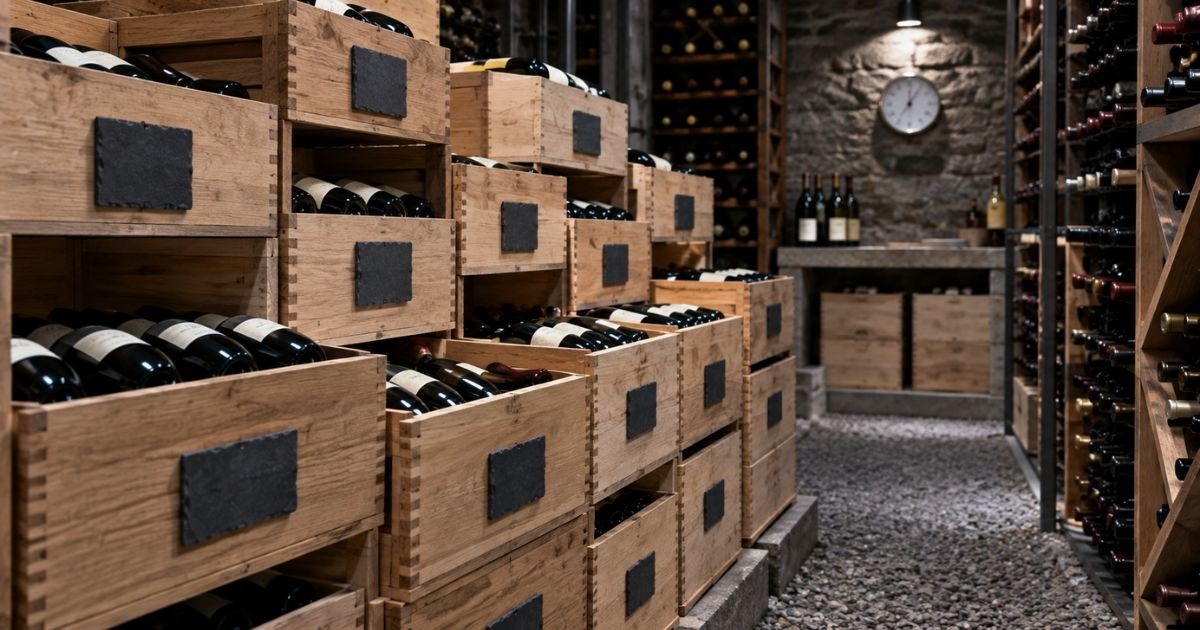
You may be asking this after seeing rare bottles sell for huge sums, or after a friend mentioned Liv-ex. Fine wine can rise in price. It can also sit unsold while storage fees nibble away at your gain.
This guide covers what “investment wine” actually is, how the market looks in 2026, and the costs most pitches skip. It is not a buy or sell call. For most US households, wine is a hobby first. Treat any profit as a bonus.
What Wine Investing Means
Wine investing means you buy bottles or cases you plan to sell later, not drink this weekend. The usual targets are famous labels with a track record on the secondary market. Think top Bordeaux, Burgundy, Champagne, and some Italian names.
This is not the $15 bottle at the grocery store. Investment wine is a collectible. Supply is limited. Condition and storage history, called provenance, can change the price as much as the vintage.
A wine investment is worth it for you only if the likely price gain beats storage, insurance, selling fees, taxes, and the wait. That bar is high. Wine does not pay a dividend. You earn money only when a buyer pays more than your all-in cost.
The industry’s main public scoreboard is Liv-ex, a London exchange that tracks traded fine wines. The Liv-ex Fine Wine 100 follows 100 of the most sought-after bottles. The Liv-ex Fine Wine 1000 is a broader basket of 1,000 wines.
Those indexes are useful. They are not the price you will get for one case in your garage.
How Returns Have Looked
Fine wine had a long climb, then a hard reset.
Prices peaked around October 2022. They then fell for roughly three years. By late 2025, major Liv-ex gauges were often cited about 25% to 30% below that peak.
Burgundy and some Champagne names fell harder than the average. Bordeaux second wines were among the weakest groups.
The market looked closer to a floor in mid-2025. Through 2026, indexes have been mostly sideways to slightly up, not in a new boom.
As of the August 31, 2026 monthly close, the Liv-ex Fine Wine 100 was up about 1% year to date and about 4% over one year.
Over five years it was still down about 8%. The broader Fine Wine 1000 was up about 2% over one year and down about 9% over five years.
Liv-ex’s chief has said wine looks as cheap, relative to some stock markets and after inflation, as it did around 2014. He has also said a new bull run is not the base case.
Trade picked up in 2026, with more buyer-led deals. US demand was disrupted by tariff uncertainty in 2025. European buyers filled some of that gap. A stock overhang can still cap prices until extra cases clear.
Over longer stretches, Liv-ex-linked figures often show mid-single-digit to high-single-digit average annual gains before costs.
One widely cited slice is that the Fine Wine 100 rose about 34% in the ten years through the end of 2025. That is not 34% a year.
Individual wines vary widely. Some Burgundy and Italy names beat the average in strong decades. Plenty of bottles go nowhere.
| Liv-ex snapshot (monthly close Aug. 31, 2026) | 1-year change | 5-year change |
|---|---|---|
| Fine Wine 100 | About +4.4% | About -8.0% |
| Fine Wine 1000 | About +2.0% | About -8.7% |
| Fine Wine 50 (First Growths) | About +2.8% | About -23.2% |
| Bordeaux 500 | About +0.4% | About -19.4% |
Index levels are in the exchange’s own units. They can move after you read this. Your net result will be lower after fees.
How People Actually Buy and Hold
You generally have a few routes.
Merchants and brokers
You buy full cases, ideally kept “in bond” in a professional warehouse. Duty and sales tax stay parked until the wine is released to drink. Bonded stock is easier to resell to trade buyers.
Auctions
You can buy or sell through houses that specialize in fine wine. Seller commissions and buyer premiums are large. Settlement can take months.
Managed platforms and funds
Apps and firms pick wines, store them, and show an estimated value. Fees often run about 2% to 3% a year when storage and insurance are bundled. Some platforms add exit penalties if you sell early.
Liquidity is not like a stock sale. Reviews of some US platforms have focused on slow sales and a gap between “estimated value” and what a bid will pay.
Drinking collections
You buy what you like, store it well, and sell leftovers. This is the honest version for most people.
Do not store investment wine in a kitchen rack. Heat and light destroy value. Professional storage in the US often runs a few dollars per bottle per year, or more for high-end facilities.
UK bonded storage is commonly quoted around £10 to £20 per 12-bottle case per year, plus insurance. Those bills add up over a five- to ten-year hold.
Risks That Decide If It Is Worth It
Wine is physical. That creates risks stocks do not have.
- Illiquidity – Selling a case can take weeks or months. Thin wines may not sell at the “market” number on a screen.
- Fees – Buy spread, storage, insurance, and sell commission can erase a 5% price rise.
- Condition and fakes – Poor storage or a counterfeit bottle can wipe out the lot. Famous fraud cases still shape how buyers check provenance.
- Taste and fashion – Burgundy ran hot, then cooled. Bordeaux can lag for years.
- Currency – Many benchmark prices live in pounds. Dollar moves change your US return.
- Taxes – The IRS generally treats collectibles differently from stocks. Long-term collectibles gains can face a higher top rate than the usual long-term capital-gains rate. Confirm current rules with a tax pro.
- Platform and merchant risk – If a firm mixes client stock or fails, recovery can be messy. Title in your own bonded account matters.
- No income – You cannot live on corks.
US import tariffs can also change who bids for cases sitting abroad. That is a policy risk, not a tasting-note risk.
Who Might Find Wine Investing Worth Considering
Wine may fit a small slice of extra money if you already like the category and can wait five to ten years. It is a poor core holding.
It may be a better match if you will enjoy the bottles if they never sell. It may be a worse match if you need the cash for a house, tuition, or retirement on a set date.
A simple way to think about it:
- You can name the region and vintage, not just the app logo.
- You can pay storage without counting on a 15% year.
- You accept that you might drink the asset.
- You will not use money earmarked for emergencies.
If those points do not fit, skip it. A low-cost stock index fund is simpler to sell and easier to tax-report.
How to Judge a Bottle Without Guessing
Ignore “guaranteed 10% a year” claims. Use a short list.
- Liv-ex or merchant bid and offer, not a single asking price
- Storage location, insurance, and whose name is on the warehouse account
- All-in buy and sell fees
- Drinking window versus your hold period
- Whether you would still want the case if the market stays flat until 2030
If the only exit is one platform’s internal board, assume a discount and a delay.
FAQs About Are Wine Investments Worth It
Q. Can fine wine beat the stock market?
A. Sometimes a rare bottle does. Broad Liv-ex indexes have posted mid-single-digit average gains over long periods, then lost a large chunk after 2022. After storage and sell fees, many portfolios lag a simple stock fund. Past index gains are not a promise.
Q. Do I need a cellar at home?
A. Not for investment wine. Buyers pay more for cases with clean bonded-warehouse records. Home storage can cut the resale price even if the wine still tastes fine to you.
Q. How long should I plan to hold?
A. Many merchants talk about five to ten years. Younger vintages may need longer. If you might need the money in two years, wine is usually the wrong asset.
Q. Is a wine app safer than buying cases myself?
A. An app can handle sourcing and storage. It does not remove market risk, fake-bottle risk, or exit delays. Read how title is held, how you sell, and every fee. Compare that with a reputable merchant and an independent warehouse.
Conclusion
Are wine investments worth it? For most people, no, not as a serious portfolio building block. Fine wine is an illiquid collectible with real storage costs and a market that fell hard after 2022.
Prices in 2026 look cheaper than the peak and a bit more stable. That can help a patient collector who already understands Bordeaux and Burgundy. It does not turn a case of wine into a substitute for index funds.
If you still want in, keep the amount small, insist on bonded storage in your name, and only buy bottles you would be willing to drink.
Disclaimer
This article is for general information only. It is not financial, tax, or legal advice, and it is not a recommendation to buy or sell wine, wine funds, or platform interests. Fine wine is unregulated as an investment in many cases, values can fall, and you can lose money. Verify current Liv-ex data, storage contracts, tax treatment, and account terms with a licensed advisor, tax professional, or reputable merchant before you act.