How to Build Credit Fast With a Secured Card? [2026 Guide]

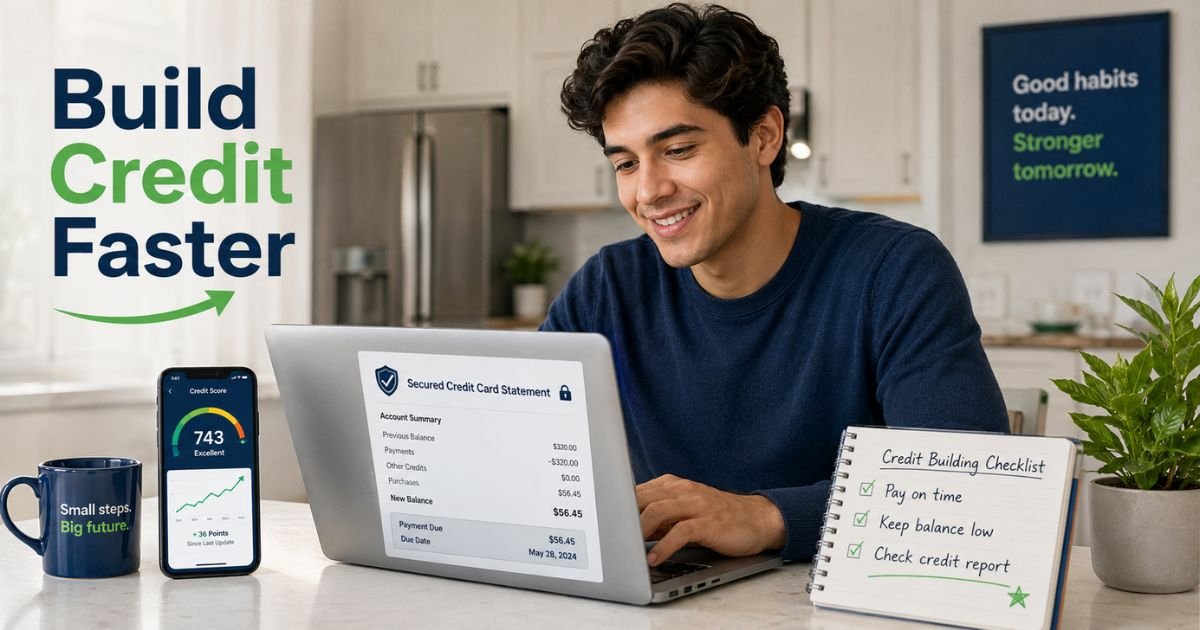
Ever feel like you need credit to get credit, but nobody wants to give you a chance? It’s a frustrating loop, especially when you’re trying to qualify for an apartment, car loan, better credit card, or lower interest rate.
The good news is that a secured credit card can help you break into the system and start building a stronger credit profile.
If you’re wondering how to build credit fast, a secured credit card is one of the most practical tools you can use. It’s designed for people with no credit, thin credit, or damaged credit, and it can report your activity to the major credit bureaus just like a regular credit card.
What Is a Secured Credit Card?
A secured credit card is a credit card backed by a refundable cash deposit. That deposit usually becomes your credit limit.
For example, if you put down a $300 deposit, your card may have a $300 credit limit. You can use the card for small purchases, pay the bill, and build a payment history over time.
The deposit protects the card issuer if you don’t pay. But if you use the card responsibly and close or upgrade the account later, you can usually get your deposit back.
A secured card is different from a prepaid debit card. A prepaid card uses your own loaded money and usually doesn’t help your credit.
A secured credit card gives you a real credit line and can help you build credit history when it reports to the credit bureaus.
How to Build Credit Fast With a Secured Credit Card
The fastest way to build credit with a secured card is not to spend more. It’s to show lenders that you can borrow a small amount and repay it reliably.
Credit scoring systems tend to reward a few key habits:
- On-time payments
- Low credit utilization
- Longer account history
- Responsible account management
- Limited new credit applications
Your secured card can help with several of these at once, but only if you use it correctly.
Step 1: Choose a Secured Card That Reports to All Three Bureaus
Before you apply, check whether the card reports to the three major credit bureaus: Equifax, Experian, and TransUnion. This matters because your credit score can vary depending on which bureau a lender checks.
Look for a secured card with:
- No or low annual fee
- Reporting to all three major credit bureaus
- A clear path to upgrade to an unsecured card
- Refundable security deposit
- Online account access
- No hidden monthly maintenance fees
Don’t choose a card only because it has a flashy design or rewards program. When your goal is to build credit fast, reporting and fees matter more than points.
Step 2: Use the Card for One or Two Small Bills
You don’t need to use your secured card for everything. In fact, using too much of your limit can hurt your score.
A simple strategy is to put one or two small recurring expenses on the card, such as:
- A streaming subscription
- A phone bill
- Gas once a month
- Groceries under a set amount
- A small online purchase
Then pay it off every month. This keeps the card active while making your spending easy to control.
Pro Tip: Set one small bill on autopay with your secured card, then set the secured card itself to autopay the full statement balance. This creates a simple system that supports on-time payments without requiring daily attention.
Step 3: Keep Your Credit Utilization Low
Credit utilization means how much of your available credit you’re using. If your secured card has a $300 limit and your balance is $150, your utilization is 50%.
For faster credit improvement, aim to keep your reported balance low. Many people use the “under 30%” rule, but staying under 10% can be even better for your score.
| Credit Limit | Balance Reported | Utilization | Better for Credit? |
|---|---|---|---|
| $300 | $250 | 83% | No |
| $300 | $90 | 30% | Okay |
| $300 | $25 | 8% | Better |
| $500 | $40 | 8% | Better |
Here’s the key detail many beginners miss: your card issuer may report your balance before your due date. That means you can pay on time and still show high utilization if your statement balance is large.
A smart move is to pay the balance down before the statement closing date, not just before the due date.
How Fast Can a Secured Card Build Credit?
A secured card can start helping once the account appears on your credit report. That may take one or two billing cycles.
If you have no credit history, you may need several months of reported activity before a credit score can be generated. If you already have credit but need to rebuild credit, you may see movement sooner, depending on what else is on your report.
In many cases, you may notice progress in 3 to 6 months if you:
- Pay on time every month
- Keep your balance low
- Avoid applying for too many accounts
- Keep the account open
- Monitor your credit reports
That said, “fast” doesn’t mean overnight. Credit building is more like fitness than a quick fix. You’re proving consistency month after month.
Real-World Example
Take a 38-year-old teacher who had never used credit cards before. She wanted to lease a car, but her credit file was too thin. Instead of applying for several cards at once, she opened one secured credit card with a $400 deposit.
She used the card only for her $18 monthly music subscription and occasional gas purchases. Her personal rule was simple: never let the balance go above $40.
She also set calendar reminders for two dates:
- Statement closing date
- Payment due date
After four months, her credit report showed a clean payment history and low credit utilization. By month seven, she had enough credit history to qualify for a beginner unsecured credit card.
Her success came from boring habits, not big spending. That’s the point.
What Should You Buy With a Secured Credit Card?
The best purchases are small, predictable, and already part of your budget. You’re not trying to finance a lifestyle. You’re trying to create positive credit activity.
Good options include:
- Monthly subscriptions
- Fuel
- Public transit passes
- Small grocery trips
- Utility payments if there’s no extra fee
- Phone bills
Avoid using your secured card for:
- Large emergency expenses
- Cash advances
- Rent payments with high processing fees
- Impulse shopping
- Purchases you can’t pay off quickly
If you wouldn’t buy it with cash, don’t buy it with your secured card.
Common Mistakes That Slow Down Credit Building
A secured card can help you build credit, but it can also hurt your score if you treat it carelessly. The card itself isn’t magic. Your habits do the work.
Here are the biggest mistakes to avoid:
- Paying late: Even one late payment can damage your credit.
- Maxing out the card: High utilization can lower your score.
- Only paying the minimum: This can lead to interest and growing debt.
- Applying for too many cards: Multiple hard inquiries can hurt.
- Ignoring fees: Some secured cards have unnecessary charges.
- Closing the card too soon: Account age can help your credit over time.
The goal is simple: use the card lightly, pay it fully, and let the positive history build.
Common Mistake: Many people think carrying a balance helps build credit faster. It doesn’t. You can build credit while paying your balance in full every month, and you’ll avoid interest charges.
Should You Pay the Balance in Full or Leave a Small Balance?
Pay the balance in full. That’s usually the best move.
Some people believe you need to leave a balance to show activity, but that can cost you interest. Your card can still show activity when you make purchases and pay them off.
A better strategy is:
- Use the card for a small purchase.
- Let a low balance appear on the statement.
- Pay the full statement balance by the due date.
This can show responsible use without carrying debt from month to month.
If you want to keep utilization extra low, you can make an early payment before the statement closes. Then pay any remaining statement balance by the due date.
How to Build Credit Fast Without Getting Into Debt
Building credit should make your financial life easier, not more stressful. The safest approach is to treat your secured card like a debit card with credit-building benefits.
Try this monthly routine:
- Pick one budgeted expense. Use the card only for that expense.
- Track your balance weekly. Don’t wait until the bill arrives.
- Pay before the statement closes. This can help lower reported utilization.
- Pay the full statement balance. Avoid interest.
- Check your credit report. Make sure the account is reporting correctly.
This routine helps you build credit history while keeping your spending under control.
When Can You Upgrade to an Unsecured Credit Card?
Many secured card issuers review accounts after several months. If you’ve used the card responsibly, they may offer to graduate your card to an unsecured version.
That means you may get your deposit back while keeping the same account open. Keeping the same account can be helpful because it may preserve your account age.
You may be ready to upgrade when:
- You’ve made 6 to 12 months of on-time payments
- Your utilization has stayed low
- Your income supports a higher limit
- You haven’t had recent late payments
- Your credit score has improved
If your issuer doesn’t offer graduation, you can ask. If they still don’t allow it, you may consider applying for an unsecured beginner card later, then closing the secured card only after you understand how it may affect your credit.
How Many Secured Credit Cards Do You Need?
For most beginners, one secured card is enough.
Opening multiple secured cards can create more accounts, but it also means more deposits, more due dates, and more chances to make mistakes. If you’re new to credit, simplicity is your friend.
Start with one card and master the basics:
- Pay on time
- Keep utilization low
- Avoid unnecessary debt
- Monitor your credit report
After six months or more, you can decide whether another credit-building tool makes sense. Some people add a credit-builder loan, become an authorized user, or apply for a starter unsecured card. But don’t rush into extra accounts just to chase a faster score.
How to Track Your Credit Progress
You can’t improve what you don’t track. Checking your credit helps you catch errors, confirm that your secured card is reporting, and understand what affects your score.
Watch for these items:
- Your secured card account appears on your report
- Payments show as on time
- Balance and credit limit are accurate
- No unfamiliar accounts appear
- Personal information is correct
You can also use free credit monitoring tools from banks, card issuers, or credit education platforms. Just remember that different tools may show different scores because they may use different scoring models.
The trend matters more than one single number. If your score is moving up and your reports are accurate, you’re on the right path.
FAQs About How to Build Credit Fast With a Secured Card
How long does it take to build credit fast with a secured credit card?
You may see early progress in 3 to 6 months if the card reports to the credit bureaus and you pay on time. If you have no credit history, it can take several months before a score appears. Strong results usually come from consistent habits over 6 to 12 months.
What credit limit should I choose for a secured credit card?
Choose a deposit you can afford without straining your budget. A $200 to $500 limit can work well for beginners if you keep spending low. A higher limit can make low utilization easier, but it’s not worth using money you need for bills or savings.
Can a secured credit card help rebuild bad credit after late payments?
Yes, a secured credit card can help rebuild credit by adding fresh positive payment history. It won’t erase past late payments, but responsible use can reduce their impact over time. Pay on time, keep balances low, and avoid new missed payments while your older negative marks age.
Conclusion
Learning how to build credit fast with a secured credit card comes down to a few simple habits: choose a card that reports to all three bureaus, use it for small planned purchases, keep your utilization low, and pay on time every month.
You don’t need to carry debt, max out your limit, or apply for several cards. In fact, the fastest path is usually the simplest one. Use your secured card carefully, track your progress, and give your credit report steady proof that you can manage credit well.
If you’re starting from scratch or rebuilding after setbacks, a secured card can be a smart first step. Start small, stay consistent, and let your good habits do the heavy lifting.
Disclaimer: This content is for informational and educational purposes only and does not constitute professional, financial, legal, or medical advice. The information provided may not apply to your specific situation. Always consult a qualified professional for personalized guidance.