What is SP Charge on Debit Card?

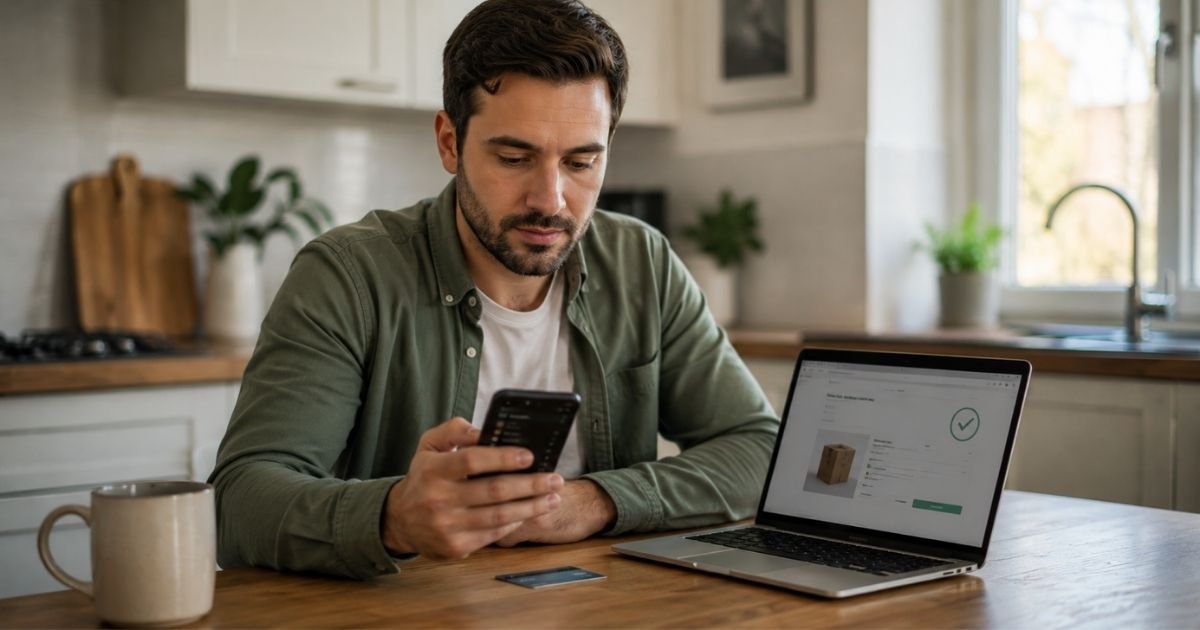
You tap your debit card for an online order. A few days later the statement says SP Charge, SP*, or SP plus a short store name. That label can look like a bank fee. It is usually just how a payment platform prints the merchant.
Read the rest of the line. The letters after SP often name the shop you paid. Once you match the date and amount, the mystery usually ends.
What Is an SP Charge on a Debit Card?
An SP charge on debit card is typically a purchase that ran through a payment platform, not a fee your bank invented. On many U.S. statements, SP stands for Shopify Payments.
That is the card processing tool used by a large number of online stores. Your bank shows SP first, then as much of the store name as will fit.
SP can also mean a generic “service provider” or “split pay” tag. A common example is SP AFF or SP AFFIRM, which often points to an Affirm installment payment, not a Shopify cart.
Other processors have used the same two letters in front of a merchant name. That is why you should never stop at SP alone.
Your issuer may print the line as SP CHARGE, SP*, SP STORENAME, or POS DEBIT SP plus a city. Character limits cut names short. A shop called Riverside Supply Co. might show up as SP RIVERSIDE SU.
The money still left your checking account when the debit posted. Treat it like any other card purchase. Identify the seller, then decide if it is yours.
How SP Descriptors Usually Appear
Banks format the same purchase in slightly different ways. Use this as a starting map, not a guarantee.
| What you may see | What it often means |
|---|---|
| SP STORENAME or SP*STORENAME | Online store using Shopify Payments |
| SP CHARGE | Truncated line. Ask your bank for the full merchant text |
| SP AFF or SP AFFIRM | Often an Affirm buy-now-pay-later installment |
| SP RESCUE or SP plus a cause name | Frequently a Shopify shop, donation, or service using that word |
| CHKCARD SP or POS DEBIT SP | Debit-card wording your bank adds in front of the merchant |
Look at the words after SP first. That is usually the business you need to remember.
Why the Name Does Not Match the Website
Online shops have a brand name, a legal name, and a statement name. Those three are not always the same.
A cute storefront can bill under an LLC you have never heard. Shopify and similar platforms also insert their own prefix so the card network knows who processed the sale.
Trials and subscriptions add another twist. You may have entered a card for free shipping or a seven-day trial.
The first paid renewal can post weeks later under SP plus a short name. Search your email for “order,” “receipt,” “trial,” and the dollar amount.
A family member with a linked card can create the same line. Ask before you assume the card was stolen.
How to Verify an SP Charge Step by Step
Write down the posted date, the exact amount, and every word on the line. Then work through a short checklist.
Search your email and text messages for that amount. Include spam and promotions folders. Many Shopify shops send a receipt from a storefront that looks different from the statement name.
Open the expanded transaction in your banking app. Some issuers show a phone number, URL, or city once you tap the line. Call that number only if it matches an official site you already trust.
Think about recent checkouts. Did you use Shop Pay, a saved card on a small brand site, or Affirm at checkout? Those flows often produce an SP label.
Check app stores and subscription lists. Apple, Google, and merchant sites keep purchase history. An SP line can still be a website you opened in a browser, not an app store buy.
If the amount repeats on a monthly cycle, treat it as a possible subscription. Cancel at the merchant first when you can identify the shop. Then watch the next statement.
Is an SP Charge a Scam?
Most SP charges are ordinary online purchases. Shopify is a real commerce platform. Affirm is a real installment lender. A matching order from last week is typically legitimate.
Vague wording still attracts bad actors. Scam sites and hard-to-cancel trials like short descriptors because they are hard to search.
Warning signs include a charge you cannot match to any email, a small first amount that grows on renewal, or several SP lines from names you never typed.
Do not send more money to a number that texts you about the charge. Call the number on the back of your debit card instead.
Your bank can pull the full merchant descriptor and help you file a dispute if the purchase is unauthorized.
Refunds come from the merchant or from a card dispute. No article can promise you will get the money back. Timing rules vary by bank.
What to Do If You Want It Stopped
If you recognize the shop and do not want another payment, cancel through that shop’s account page or the email receipt. Screenshot the confirmation.
If you cannot find the shop, call your bank and ask for the complete merchant name and phone. Use that to search. Then cancel or dispute.
If the charge is fraud, freeze the card in your app, review other recent debits, and request a replacement card. Monitor your account for a few days. Small test charges sometimes appear before a larger hit.
Going forward, turn on debit alerts for every amount. Use a virtual card number for new websites when your bank offers one. Read the renewal line before you start a trial.
FAQs About SP Charge on Debit Card
Q. Does SP on my debit card mean Shopify every time?
A. Often, yes, when the line reads SP plus a store name. It is not the only use. SP AFF commonly points to Affirm. Read the full descriptor before you decide.
Q. Why does my statement say SP Charge with no store name?
A. Your bank may have cut the merchant text. Open the transaction details or call the number on your card and ask for the complete descriptor.
Q. Can an SP charge be a recurring subscription?
A. Yes. Trials and memberships billed through Shopify or similar tools can renew under the same SP label. Check email receipts and the shop’s account settings if the amount repeats.
Q. Should I dispute an SP charge right away?
A. First try to match it to an order or a household user. If you cannot identify it, contact your bank promptly. Dispute windows are limited, and your issuer handles the claim.
Conclusion
An SP charge on debit card is usually a processed online purchase, most often from a Shopify store or another platform that prints SP as a prefix. The important part is the name and amount that follow those two letters.
Match the line to a receipt, a trial, or a family member’s order. Cancel at the merchant if you no longer want the service.
Call your bank if the purchase is not yours. Once you know how SP works, the next short descriptor is easier to decode.
Disclaimer
This article is for general information only. It is not financial or legal advice. Statement descriptors, processors, and dispute rules vary by merchant and by bank. Confirm any account-specific question with your debit-card issuer or the company that billed you before you cancel a service or file a dispute.