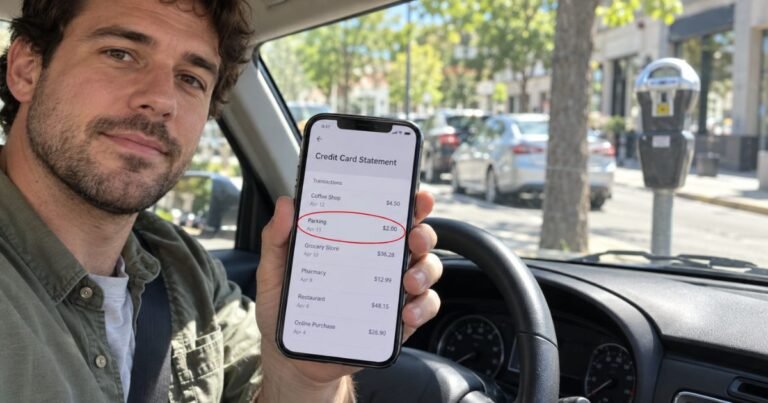
RMTLY Charge on Credit Card – Explained


An RMTLY charge on credit card is most likely connected to Remitly, a digital service used to send money internationally. Remitly accepts credit and debit cards as payment methods for eligible transfers from the United States.
However, Remitly’s official site does not appear to publish a complete list of the merchant descriptors that card issuers may display.
For that reason, you should confirm the amount and date against your Remitly transfer history before assuming an RMTLY transaction belongs to you.
What Is the RMTLY Charge on Credit Card?
The RMTLY charge on credit card is generally associated with a payment made through Remitly. Remitly is an online money transfer company that lets U.S. customers send funds to recipients in more than 175 countries.
Third-party merchant descriptor databases have reported card transactions beginning with labels such as RMTLY* and connected them with Remitly. One documented example includes wording similar to “RMTLY* … PMNT SENT SEATTLE WA.”
That connection is also consistent with Remitly’s business. The company’s registered U.S. address is in Seattle, Washington, according to its current Help Center.
Still, a shortened descriptor alone isn’t enough to prove who made a particular charge. Your bank may abbreviate merchant names, append transaction codes, or display payment-processing information differently from another issuer.
Why Would Remitly Charge Your Credit Card?
The most common explanation is that your card funded an international money transfer.
Remitly currently allows U.S. customers to pay for eligible transfers using:
- Credit cards
- Debit cards
- Bank accounts
- Apple Pay or Google Pay, where available
Remitly confirms that credit and debit cards can be used to pay for transfers. Card payments generally require the card expiration date, security code, and a name matching the Remitly profile.
If you recently sent money to a friend or family member overseas, compare the RMTLY transaction with that transfer.
The amount appearing on your card may reflect the money being sent plus applicable Remitly service fees. Fees can depend on factors such as the destination and payment or delivery method, so there isn’t one standard RMTLY charge amount.
What Might RMTLY Look Like on Your Statement?
Credit card issuers have limited space for merchant descriptions. A company’s full name may therefore be shortened.
Reported variations associated with Remitly include descriptors beginning with RMTLY* followed by letters, numbers, or payment wording. Third-party merchant databases have documented examples such as RMTLY followed by an internal-looking code.
Your statement might also add terms such as:
- Pending
- POS
- Purchase
- Check card
- Payment sent
- A short transaction code
- A city or state
These extra details can come from your bank’s statement formatting. They don’t necessarily represent separate companies or extra purchases.
Because statement descriptors can vary, match the date and dollar amount rather than relying only on the wording.
How to Check Whether the RMTLY Charge Is Yours
The easiest place to start is your Remitly transfer history.
Remitly says its app shows recent transfers on the Home screen. You can select “View All” for older transactions, while the website provides a Transfer History section.
Compare each transfer with your card statement. Check:
- The transfer date
- Amount you sent
- Payment method
- Transfer fees
- Recipient
- Transfer reference number
- Whether the transaction is completed or still processing
Also search your email for Remitly receipts or transfer notifications. Remitly says its transfer notifications include a reference number that can help identify a payment.
If the date and amount match a transfer in your account, the RMTLY charge is likely legitimate.
Why Could the Amount Be Higher Than Expected?
One reason is the transfer fee charged as part of the Remitly transaction.
Another possibility involves your credit card issuer. Money transfers funded with a credit card can sometimes be classified differently from ordinary retail purchases.
Remitly notes that some credit card companies may classify payments to a money transfer provider as a cash advance. If that happens, your issuer may charge a cash advance fee and begin charging interest under its own card terms.
That additional cost would generally come from your card issuer rather than being a hidden RMTLY transfer charge.
Check whether your statement shows two separate entries. One may be the Remitly transaction and another may be a cash advance or related card fee.
Your cardholder agreement or issuer can tell you exactly how the transaction was classified.
What If the RMTLY Charge Is Pending?
A pending RMTLY transaction may simply mean your card issuer hasn’t finalized the payment yet.
Pending transactions can sometimes change or disappear before they post. For that reason, don’t assume every temporary authorization is a completed charge.
Check your Remitly account to see whether a corresponding transfer is processing.
If you attempted a transfer but it failed or was canceled, monitor your card account to see whether the pending authorization is released. Processing times can depend on the card issuer.
Contact your issuer if a pending transaction remains longer than expected or you need clarification about when the authorization will be removed.
Can You Cancel an RMTLY Transaction?
Possibly, but timing matters.
Remitly says that if a transfer hasn’t been processed yet, you may be able to edit or cancel it through your transfer history in the app. If the transfer is already in progress, Remitly advises contacting its support team.
Once money has been delivered, deposited, or collected by the recipient, your options can be more limited.
Don’t automatically file a credit card dispute simply because you changed your mind about a legitimate transfer. First check whether Remitly still provides a cancellation option for that specific transaction.
What If You Don’t Recognize the RMTLY Charge?
Treat an unexplained RMTLY charge seriously, but don’t immediately assume the Remitly company itself is fraudulent.
First, check whether another authorized person in your household used the card. Then review your Remitly account, email receipts, and recent international transfers.
Remitly distinguishes fraud from scams. It describes fraud as an unauthorized transaction that you didn’t initiate or approve, such as someone obtaining your account or card information.
If you can’t identify the transaction:
- Contact Remitly through its official Help Center.
- Give support the transaction date and amount.
- Check whether your Remitly password needs to be changed.
- Review your card for other unfamiliar transactions.
- Contact your credit card issuer using the number on the back of the card.
- Ask the issuer about blocking or disputing an unauthorized charge.
Remitly’s U.S. Help Center currently provides 24/7 support through chat and phone options.
Avoid giving full card numbers, passwords, verification codes, or other sensitive information to anyone who contacts you unexpectedly.
Could Someone Use Your Card Through Remitly?
Unauthorized card use is possible with any online payment service if someone obtains valid payment information.
That’s different from a legitimate Remitly charge you simply forgot about.
If you have a Remitly account, review your recent transfers and account access. Change your password if you suspect someone else gained access to the account.
If you don’t use Remitly at all and no authorized cardholder recognizes the transaction, contact your credit card issuer promptly.
Your issuer can provide the exact dispute procedure that applies to your card and may replace the card if necessary.
FAQs About RMTLY Charge on Credit Card
Q. What does RMTLY mean on a credit card statement?
A. RMTLY is most likely an abbreviated merchant descriptor associated with Remitly, the international money transfer service. Match the charge with your Remitly transfer history to confirm it.
Q. Is an RMTLY charge a scam?
A. Not necessarily. It may be a legitimate Remitly money transfer funded with your credit card. If you can’t match it to your transfer history, contact Remitly and your card issuer.
Q. Why did Remitly charge my credit card?
A. You may have selected the card as the payment method for a money transfer. Remitly officially supports eligible credit and debit card payments for transfers.
Q. Can my bank charge an extra fee for RMTLY?
A. Possibly. Remitly warns that some issuers may classify credit card-funded money transfers as cash advances, which can result in separate fees or interest under the issuer’s terms.
Conclusion
An RMTLY charge on credit card most likely relates to a Remitly international money transfer, especially if the amount matches a recent transfer in your account. Remitly allows customers to fund eligible transfers with credit cards, so the transaction may appear directly on your card statement.
Check your Remitly transfer history, receipts, and card details first. If nobody authorized the transaction, contact Remitly through its official support channels and notify your credit card issuer promptly.
Disclaimer
This content is for informational purposes only and isn’t financial or legal advice. Charges, dispute rights, fees, merchant descriptors, and issuer practices may vary, so verify account-specific questions with Remitly, your financial institution, or your card issuer.