CTLP CSC ServiceWorks Melville NY Charge on Credit Card?

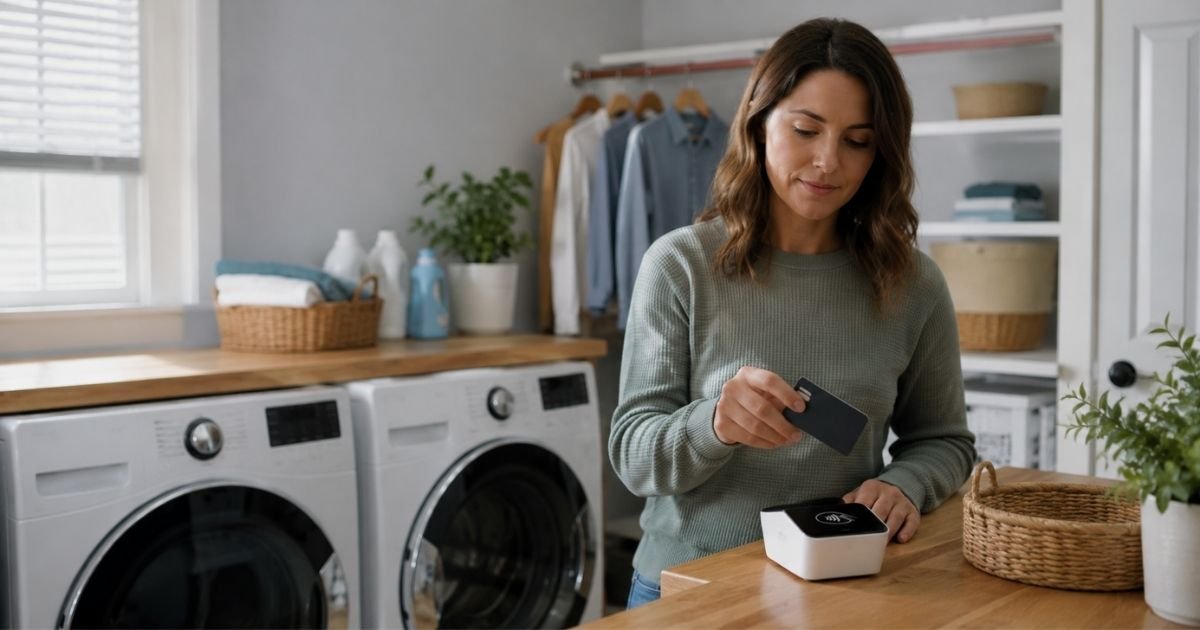
You open your credit card app and spot a line that looks like code. CTLP CSC ServiceWorks Melville NY does not sound like a store you visited.
Most of the time it is a small payment for a washer, dryer, or air machine, not a random fee from New York.
Take a breath. Match the date and amount to a recent load of laundry or a stop for tire air. Then you can decide if the charge belongs on your statement.
What Is a CTLP CSC ServiceWorks Melville NY Charge?
A CTLP CSC ServiceWorks Melville NY charge on credit card is generally a card payment to CSC ServiceWorks.
That company runs shared laundry machines and some air or vacuum stations across the United States and Canada.
You pay at the machine, through a laundry app, or by loading a prepaid laundry card. Your bank then prints a shortened merchant name.
CSC ServiceWorks is headquartered at 35 Pinelawn Road in Melville, New York. Card networks often show that processing or corporate city even when you used a machine in another state.
The location on the statement is not proof that you traveled to Long Island.
The letters CTLP are typically a payment-processor prefix, not a second laundry brand. Sources often tie CTLP to cashless readers used on unattended machines.
Your issuer may show CTLP, CTLP*, or drop the prefix entirely. The merchant behind the purchase is still CSC ServiceWorks when that name appears next to it.
Amounts are usually small. One wash or dry cycle often falls in a few dollars. Several loads on the same day can stack. A larger amount may be a card or app reload rather than a single cycle.
Why the Name Looks So Unfamiliar
Banks have limited space on a statement line. They mix the processor code, the merchant name, and a city. That is why one purchase can show up as any of these:
| What you may see | What it usually means |
|---|---|
| CTLP*CSC SERVICEWORKS MELVILLE NY | Processor prefix plus CSC, routed through Melville |
| CSC SERVICEWORKS MELVILLE NY | Same merchant without the CTLP letters |
| CSC SERVICE WORK or CSC SERVICEWORKS | Shortened laundry or air charge |
| CSC GO | Payment through CSC’s mobile app |
| COINMACH or MAC-GRAY | Older related brand names still used in some buildings |
You did not necessarily shop at a store called CTLP. You used equipment CSC operates or services. Property managers contract with CSC so residents can pay by card instead of hunting for quarters.
Where These Charges Usually Come From
The most common source is a shared laundry room. Apartments, dorms, military housing, and some hotels use CSC washers and dryers.
You tap, swipe, or pay in the CSC GO app. Each cycle posts as its own charge or as a grouped amount, depending on the machine and your bank.
A second common source is an air or vacuum station at a gas station or convenience store. CSC also operates that type of unattended equipment. Those charges are often around one to two dollars.
A third source is adding value. Some buildings still use a laundry card or in-app wallet. A $10 or $20 line can be a reload, not one load of towels. Check the app history if you use CSC GO or a similar wallet.
A roommate, partner, or child with a linked card can create the same descriptor. Ask other authorized users before you assume fraud.
How to Verify the Charge in a Few Minutes
Write down the exact date, amount, and full descriptor. Then walk through this short list.
Think about laundry first. Did you wash clothes that week in a building laundry room? Did you visit a friend or stay in a hotel with card-operated machines?
Think about the car next. Did you add air to a tire or use a vacuum bay?
Open the expanded details in your banking app. Some issuers show a merchant phone number or a longer name. Compare that with stickers on the machine or with your CSC GO history.
Look at the size. A $2.50 line after laundry night is a different story than a $187 charge you cannot place. Unusual size or a string of charges on days you did no laundry deserves a closer look.
If the charge still does not ring a bell, call the number on the back of your card. You can also contact CSC through the official site, cscsw.com, or the support details printed on the machine. Do not use a number from a random pop-up ad.
Is the Charge Legitimate or Could It Be Fraud?
CSC ServiceWorks is a real operating company with a long history in multifamily laundry and air vending. A matching small charge after you used a machine is typically legitimate.
Fraud is still possible on any card. Warning signs include a large amount, many charges in a short span, a city and time that cannot fit your day, or a descriptor that only says CTLP with no merchant you recognize. Treat those as you would any other mystery purchase.
Machine problems happen too. A washer can take a payment and fail to start. CSC generally handles refund requests through its app or support process. Keep the machine ID, time, and amount. That information helps more than a vague complaint.
Do not ignore a charge you did not authorize. Card networks give you dispute rights, but timelines matter. Start with your issuer if CSC cannot match the purchase to a machine you used.
What to Do If You Want a Refund or Want It to Stop
If a cycle failed, use the in-app refund tool when you have one. Take a photo of the error screen and the machine number.
Follow up if you do not see a credit in a reasonable time. Policies vary by property and by how you paid.
If you no longer live in the building, you usually do not need to “cancel a subscription.” These are most often one-time machine payments.
Recurring plans are less common. Check CSC GO or your card’s recurring-merchant list if a charge repeats on a set date with no laundry use.
To limit future surprises, save the CSC GO receipt, turn on transaction alerts for small amounts, and consider a virtual card number for laundry rooms if your issuer offers one.
You can also ask your property manager which company runs the machines so the name will look familiar next month.
If you suspect unauthorized use, freeze the card in your app, review recent charges, and file a dispute with your bank. Your issuer, not a blog, decides the outcome of a claim.
FAQs About the CTLP CSC ServiceWorks Melville NY Charge
Q. Why does the charge say Melville NY when I did laundry in another state?
A. Melville, New York is where CSC ServiceWorks is based. Card statements often show the company’s processing or headquarters city, not the street where the washer sits.
Q. What does CTLP mean on the CSC ServiceWorks line?
A. CTLP is generally a processor prefix on the card network. It helps route the payment from an unattended reader. CSC ServiceWorks is still the merchant when that name appears on the same line.
Q. How much should a normal CSC laundry charge be?
A. Many wash or dry cycles land in a low single-digit dollar range. Prices vary by building. A higher amount may be several cycles or a wallet reload. Compare the total with what the machine posted on its screen.
Q. Is this a monthly subscription I need to cancel?
A. Usually no. Most CTLP CSC ServiceWorks Melville NY charges are one-time machine payments. Check your app and your card’s recurring payments list if the same amount hits on a schedule you did not choose.
Conclusion
A CTLP CSC ServiceWorks Melville NY charge on credit card is typically a payment for shared laundry or an air machine, processed through CSC’s Melville, New York operations. The odd wording comes from processor codes and statement limits, not from a hidden store in New York.
Match the date and amount to a real visit. Use the app or machine ID if something failed. Call your card issuer if the purchase is not yours. Once you know the name, the next small laundry charge should be easier to recognize.
Disclaimer
This article is for general information only. It is not financial or legal advice. Merchant descriptors, refund rules, and machine prices vary by property, processor, and card issuer. Confirm any account-specific question with CSC ServiceWorks or your bank before you dispute a charge or send personal details.