CTLP Charge on Credit Card? What It Means

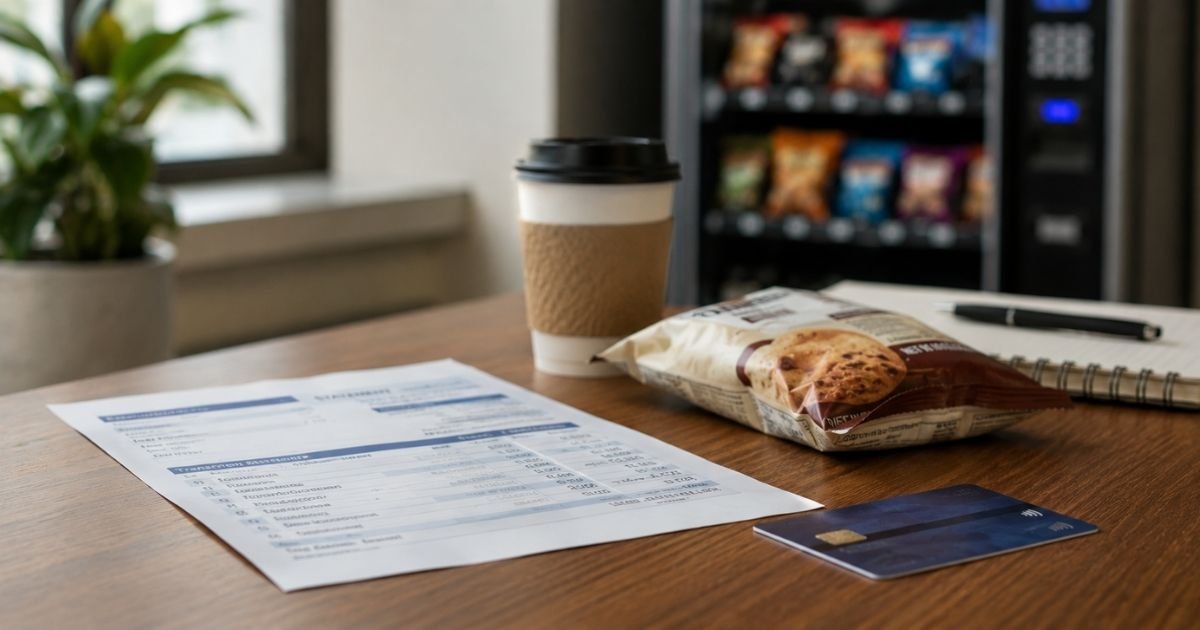
A CTLP charge on a credit card can look random. The letters do not match the snack machine or laundry room you used.
Most of the time, this is still a real purchase. The name on your statement is usually the payment system, not the machine brand.
What a CTLP Charge on a Credit Card Means
A CTLP charge on credit card is typically a cashless tap, swipe, or insert at an unattended machine. The descriptor often points to Cantaloupe, Inc., a U.S. company that makes card readers for self-service retail.
Cantaloupe’s stock ticker is CTLP. Banks often print that short code instead of the full company name. You may also see extra words after it, such as an operator name or a city.
The charge is generally not a bank fee. It is usually the cost of a snack, drink, laundry cycle, arcade play, or similar self-service buy.
Cantaloupe’s own consumer help page says an unrecognized Cantaloupe name on a statement often comes from a recent vending purchase. The company supplies the card reader. The machine operator may be a different business.
Why the Name Looks So Strange
Statement space is short. Processors squeeze a long merchant name into a few characters.
That is why you may see CTLP* instead of “Cantaloupe card reader at Building C snack machine.” The asterisk often separates the processor code from the operator name.
The city on the line may not be where you stood. It can be a billing office or merchant account city. Match the date and amount first. Then look at any extra words after CTLP.
Common Places a CTLP Charge Comes From
Think about the last few days. Did you tap a card at work, school, a hospital, a hotel, or a gas station?
Typical sources include:
- Vending machines for drinks and snacks
- Workplace micro-markets and self-checkout coolers
- Shared laundry machines in apartments, dorms, or hotels
- Air or vacuum machines at some stations
- Claw machines, kiddie rides, or arcade tokens
These buys are usually small. Many land between about $1 and $10. A larger amount is worth a closer look.
How the Charge May Appear on Your Statement
Your issuer may shorten the line in different ways. Look for any of these patterns.
| What you may see | What it often points to |
|---|---|
| CTLP or CTLP* | Cantaloupe payment reader on an unattended machine |
| CTLP*Continental Servi plus a city | Workplace vending or micro-market food |
| CTLP*National Entertai or similar | Arcade, claw machine, or amusement tokens |
| CTLP CSC ServiceWorks | Shared laundry, air, or similar amenity machine |
| CTLP plus a city or state | Location clue from the merchant account |
These are typical patterns from public statements and company descriptions. Your bank may print a slightly different version.
A line that also says CSC ServiceWorks is generally still a machine purchase. CSC ServiceWorks operates many laundry and amenity machines. The CTLP prefix is still the processor label in front of that merchant name.
Pending CTLP Charges Can Look Bigger at First
Some machines place a hold before the final amount posts. That pending line can sit on your account for a day or two.
Cantaloupe notes that pending amounts can appear when a card is used and the final total is not settled yet. Hotels and similar merchants use the same idea. The hold should drop or update after the sale clears.
Do not treat a pending hold as a second purchase until it posts. Watch the same date and the same merchant line.
How to Confirm a CTLP Charge Is Yours
Open your credit card app. Note the date, amount, and full descriptor.
Walk through your week. Check work, school, travel, and anyone else who can use the card. A child, roommate, or authorized user can tap a machine and forget to mention it.
Compare the amount to a real item. A $2.25 line often matches a drink. A $3.50 or $4.00 line may match laundry or tokens.
If the words after CTLP include an operator, search that name plus the city. That search often brings up a vending company, laundry operator, or amusement vendor.
What to Do If You Do Not Recognize It
Stay calm. One small CTLP charge is often a forgotten tap.
If you still cannot place it, call the number on the back of your card first. Your issuer can usually see more merchant detail than the short statement line.
For many Cantaloupe-processed vending issues, the company publishes a consumer help line at 1-888-561-4748, option 1. Confirm that number on Cantaloupe’s current help page before you call. Have the date, amount, and full descriptor ready.
Ask whether the item came out of the machine. A jammed snack or a failed laundry cycle is a billing problem, not a mystery brand.
If the charge looks like fraud, lock the card in your app. Then file a dispute with your issuer. For most U.S. credit cards, billing-error rules generally give you 60 days from the statement date to write in. Your issuer’s own window may differ, so act promptly.
Is a CTLP Charge a Recurring Subscription?
Usually no. These lines are typically one-time machine purchases.
You should still scan later statements. If the same CTLP operator posts again and again with no matching use, treat that as a red flag.
A loyalty or prepaid program can exist around some Cantaloupe machines. That is still not the same as a hidden streaming bill. Ask the company or your issuer before you assume a membership.
How to Reduce Surprise CTLP Charges
Turn on transaction alerts for every purchase. A $2 tap is easier to recall the same day.
Ask family members to tell you when they use the card at a machine. Unattended readers do not print a store name you will remember.
Keep a photo of unusual kiosks if you travel a lot. The machine face or a nearby sign can help later.
Use a virtual card number for online buys only. That will not stop a vending tap, but it keeps web charges separate from machine charges.
When a CTLP Charge May Not Be Legit
Question the line if the amount is far above a snack or one laundry load. Question it if you see several CTLP charges in one night from cities you did not visit.
Question it if nobody in your household used a card reader that week. Small fraud can hide inside tiny descriptors.
Your issuer can help you sort a true sale from a bad tap. Do not wait for the next bill if the charge feels wrong.
FAQs About CTLP Charge on Credit Card
Q. What does CTLP stand for on a credit card statement?
A. CTLP most often refers to Cantaloupe, Inc., the company behind many cashless readers on vending and self-service machines. The letters also match that company’s stock ticker. Extra words after CTLP usually name the machine operator.
Q. Is a CTLP charge on a credit card a scam?
A. Generally no. Many people see this code after a real tap at a vending machine, laundry reader, or arcade. You should still investigate any charge you cannot match to a date, amount, or place.
Q. Why doesn’t the vending brand show up instead of CTLP?
A. Banks print a short merchant descriptor. The payment reader company often fills that space. The snack brand or building name may not fit, so you see CTLP plus a few extra characters.
Q. How do I get a refund if the machine kept my money?
A. Start with your card issuer and the full statement line. For many Cantaloupe-processed vending problems, the company also directs consumers to its published help number. Refund rules vary by operator, so keep the date and amount handy.
Conclusion
A CTLP charge on a credit card is usually leftover wording from a cashless machine, not a hidden bank fee. Check the date and amount against a recent snack, laundry load, or arcade play.
If the line still does not match your week, call your issuer and ask for the merchant detail. Small charges are easy to miss. They are also easy to clear once you know what CTLP means.
Disclaimer
This article is for general information only. It is not financial or legal advice. Merchant descriptors, refund rules, and dispute windows typically vary by issuer and machine operator. Confirm account-specific questions with your card company or the merchant shown on your statement.