What is Clip MX Charge on Credit Card?

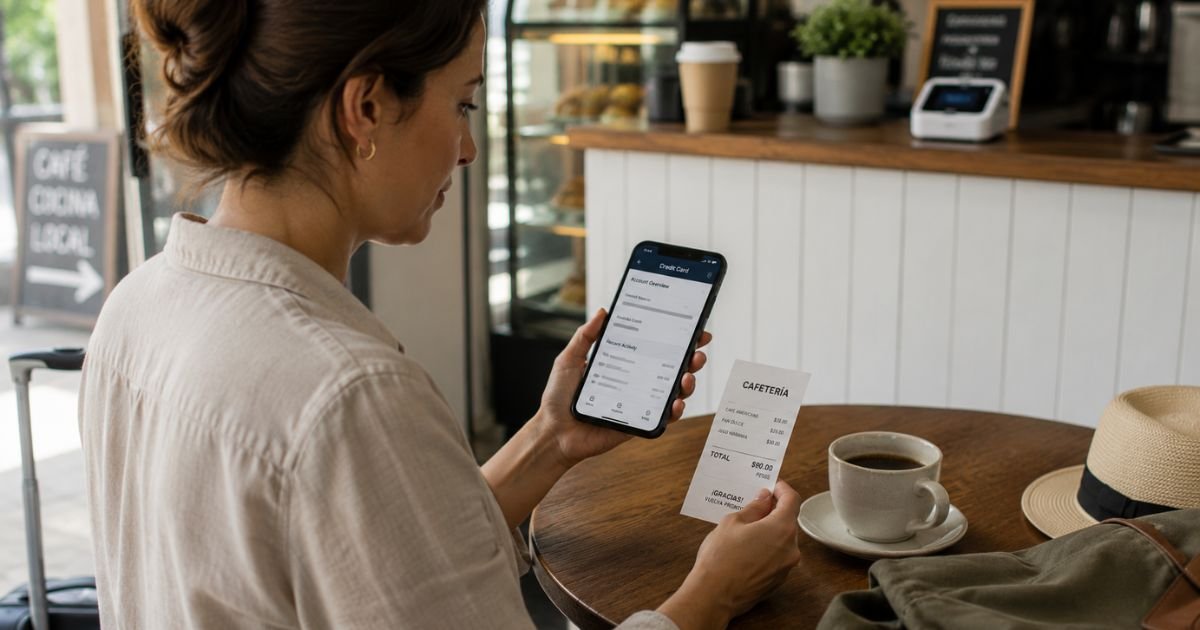
A Clip MX charge on credit card can look like a company you never chose. The letters stand for a payment processor, not always the shop on the receipt.
That is common after a trip to Mexico. Many small restaurants, taxis, spas, and stores run cards through Clip. Your bank prints Clip’s name first.
What a Clip MX Charge Means
Clip MX is typically Clip, a Mexican card processor at clip.mx. The legal names behind the service include PayClip companies registered in Mexico.
Clip sells card readers and an app to businesses. When you tap or insert a card, Clip sends the sale to Visa, Mastercard, or American Express. Your statement often shows CLIP MX and then a short shop name.
The city line may say Ciudad de Mex even if you paid in another town. That is often the processor’s registered location, not the cafe table where you sat.
| Statement text you may see | What it often is |
|---|---|
| CLIP MX* plus a shop name | In-person sale on a Clip reader |
| CLIP MX*ALIMENTOS Y BE | Food or drinks merchant |
| CLIP MX*TAXIS O SERVIC | Taxi or local service |
| PAYCLIP* plus a name | Same processor, different label |
| CLIP MX and a tourist city | Travel purchase in Mexico |
This is not Clip Studio Paint, the drawing software. That firm bills under a different name. Match the date with a Mexico trip or a Mexican online link.
Why the Shop Name Looks Wrong
Statement space is short. Clip takes the first part of the line. The restaurant or gas station name gets cut off.
You might remember “the taco stand near the hotel.” The card shows CLIP MX*ALIMENTOS. Both can be the same sale.
Some merchants send a payment link through WhatsApp or social apps. That still posts as Clip MX. The charge is real even if you never touched a plastic reader.
Dynamic currency conversion can change the number you expected.
Clip has described a process where a foreign card can be billed in U.S. dollars instead of pesos. The dollar total can include a conversion markup.
Compare the peso receipt with the dollar amount on your card.
Pending authorizations can look larger than the final sale. Hotels and some services hold extra funds, then drop the unused part after a few days.
How to Match the Charge to a Purchase
Start with the date and the exact total. Then find the paper or email receipt.
Search photos from that day. Many travelers snap the bill before they leave the table.
Ask who else used the card. A travel partner may have paid a taxi or a beach club.
Convert the receipt from pesos if the card posted dollars. Use the rate on the receipt if one is printed.
A round dollar amount that equals the peso digits can be a red flag. For example, 1,279 pesos should not become $1,279.00 unless you clearly agreed to that.
If the extra words name food, taxis, tours, or a spa, think through that day’s stops. Clip categories are often generic, but they narrow the list.
When a Clip MX Charge Needs a Closer Look
Clip itself is a widely used processor. A Clip MX line is often a normal Mexico purchase.
It can still be wrong. Tourist-area reports have described extra taps, wrong currency, or amounts far above the ticket. Treat those as possible problems, not proof that every Clip sale is fake.
Review the debit if:
- You were not in Mexico and did not pay a Mexican seller
- The dollar total is far above the peso receipt
- The card was charged more than once for one meal
- A pending hold never dropped after several business days
- You never signed or entered a PIN for that amount
Keep the original receipt. A photo of the terminal screen helps if you still have it.
Call the number on the back of your card the same day if the amount is large or still pending. Ask the issuer to note the claim. Do not wait for the trip to fade from memory.
How to Dispute or Follow Up
Contact the merchant first when you still have the receipt and the shop is identifiable. A restaurant can sometimes void or refund a duplicate.
If you cannot reach the shop, use your card issuer. Say whether the problem is a wrong amount, a duplicate, or a charge you did not authorize. Those are different claim types.
U.S. card billing-error rules generally give you a window to report a problem after the statement that first showed the charge. Ask your issuer for its process and keep copies.
Clip’s public site and phone channels are built mainly for Mexican businesses that use the readers. As a cardholder, your fastest path is usually the bank that issued your card.
Turn on travel alerts before the next trip. Some issuers also let you lock the card to in-person chip use only.
Pay in pesos when the terminal offers a choice and the peso total matches the ticket. Read the screen before you enter a PIN.
Practical Habits for Mexico Card Use
- Watch the terminal amount before you approve.
- Keep peso receipts until the card posts.
- Separate cards for travel so one stray debit is easier to spot.
- Avoid letting a card leave your sight at a pump or taxi.
- Photograph unclear charges in the banking app the same night.
Those steps do not replace a formal dispute. They make the review faster when you need one.
FAQs About Clip MX Charge On Credit Card
Q. Is Clip MX a store in the United States?
A. No. Clip MX typically means Clip, a Mexican payment processor. The sale is usually a shop, taxi, restaurant, or service in Mexico that used a Clip reader or payment link.
Q. Why does the city say Mexico City when I paid in another town?
A. Banks often print the processor’s registered city. Clip is based in Mexico. The extra words after CLIP MX* are the better clue to the actual merchant.
Q. Can a Clip MX charge post in dollars if I paid in pesos?
A. Yes. Some terminals offer to bill a foreign card in U.S. dollars. That conversion can include a markup. Compare your peso receipt with the posted dollar amount.
Q. What if I do not remember any Mexico purchase?
A. Check travel dates, family card use, and online payment links. If nothing matches, report the line to your card issuer with the date, amount, and full descriptor.
Conclusion
A Clip MX charge on credit card typically means a Mexican business ran your card through Clip’s reader or payment link. The processor name shows first. The shop name is often cut short.
Match the date to a receipt, watch peso-to-dollar math, and call your issuer if the total is wrong or unknown. That check usually explains the line or starts a clean dispute.
Disclaimer
This article is for general information only. It is not financial or legal advice. Merchant descriptors, currency conversion, and dispute rules vary by issuer, network, and seller. Confirm any Clip MX charge with your card issuer and the original purchase receipt.