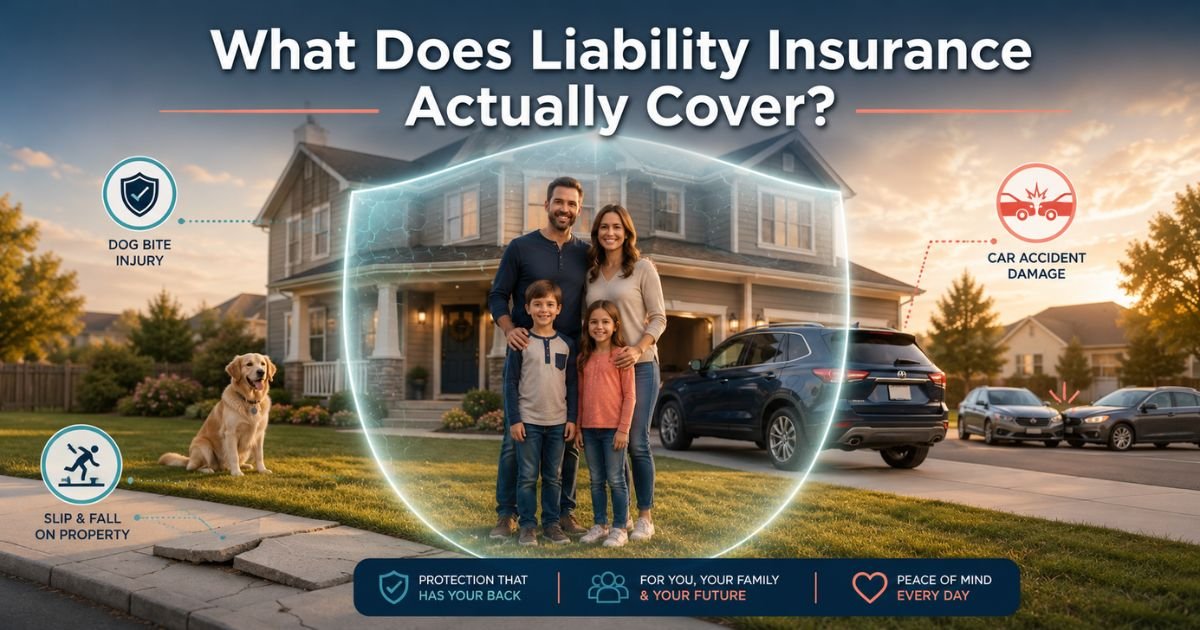
Have you ever wondered what would happen if you caused a car accident or a guest got hurt at your house? One moment of bad luck can lead to big medical bills or even a lawsuit. That is exactly where liability insurance steps in to protect your finances and peace of mind.
It is the part of your policy that pays for damages you cause to other people or their property. Many folks carry the bare minimum required by law and never realize how little that actually covers until trouble hits.
The Basics of Liability Insurance Coverage
Liability insurance exists to shield you when you are legally responsible for hurting someone or damaging their belongings. It pays the other party’s medical bills, repair costs, lost wages, and sometimes pain and suffering. It also covers your legal defense if they decide to sue.
Think of it as your financial bodyguard. Without it, you could lose your savings, home equity, or even future wages. The good news is that most policies already include some liability protection, but the amounts often fall short of real-world needs.
What Exactly Does Liability Insurance Cover?
Liability insurance steps up for bodily injury claims. This includes doctor visits, hospital stays, physical therapy, and compensation for time the injured person misses at work. In serious cases it can also cover emotional distress or loss of companionship for the victim’s family.
It handles property damage too. Your policy pays to fix or replace the other person’s car, fence, or personal items after an accident you caused.
Many policies also include legal defense costs from day one. Your insurer hires the attorney, pays court fees, and negotiates settlements so you do not have to face the other side alone.
Key takeaway: Coverage only applies to third parties. It will not fix your own car or pay your own medical bills. Those come from collision coverage, comprehensive coverage, or your health insurance.
Different Types of Liability Insurance You Should Know
Auto liability insurance is the one most drivers carry. It breaks down into bodily injury liability and property damage liability. State minimums exist, yet they rarely match today’s medical and repair costs.
Homeowners and renters liability covers accidents on your property. A guest slips on your icy steps or your dog nips a visitor and the policy steps in. General liability insurance protects small business owners from customer injuries, product complaints, or operations mishaps.
Professionals such as consultants, real estate agents, or contractors often need professional liability insurance, sometimes called errors and omissions coverage. It protects against claims that your advice or work caused financial harm. For extra security, an umbrella liability policy adds a million dollars or more on top of your other policies once they reach their limits.
What Liability Insurance Does Not Cover
Your policy will not pay for intentional acts or criminal behavior. Punch someone in anger and you are on your own. It also excludes business activities when you use a personal auto policy for deliveries or client meetings.
Certain high-risk hobbies or vehicles may need special riders. Punitive damages awarded to punish bad behavior often fall outside standard coverage too. If a claim exceeds your policy limits, you pay the difference out of pocket unless you carry an umbrella policy.
Another common gap appears with poor maintenance. Liability insurance covers sudden negligence, not gradual wear and tear you ignored for years.
Real-World Examples That Show Why It Matters
Take the case of a family in Texas whose teenage driver caused a chain-reaction crash. Their $30,000 property damage limit ran out fast, but the bodily injury portion covered the other driver’s surgery and months of therapy. Without solid liability insurance, they faced a lawsuit that could have wiped out their college savings.
Or consider a small bakery owner whose customer tripped over a display and broke her wrist. General liability insurance paid the medical bills plus the lawyer who handled the claim. The shop stayed open and the owner avoided personal financial ruin. Stories like these happen every week across the country.
How to Choose the Right Coverage Levels
Start with your state’s minimum requirements, then go higher. For auto insurance, many experts suggest at least 100/300/100. That means $100,000 per person and $300,000 per accident for injuries plus $100,000 for property damage.
Look at your assets. If you own a home and have retirement savings, consider limits of $500,000 or more plus an umbrella policy. Bundling auto and home policies often lowers your total cost. Always ask your agent to run quotes at different levels so you can see the small price difference for much stronger protection.
Here is a quick comparison to help you decide:
| Policy Type | Typical Minimum | Smart Starting Point | Standout Benefit |
|---|---|---|---|
| Auto Liability | Varies by state | 100/300/100 | Legal defense included |
| Homeowners/Renters | $100,000 | $300,000+ | Covers guests, pets, and visitors |
| Business General | $1 million | $2 million+ | Products, premises, and operations |
| Umbrella | $1 million | $2–5 million | Extra layer over all other policies |
Review your policy once a year or after major life changes like buying a home or starting a side business.
Simple Steps to File a Liability Claim
- Contact your insurance company the same day the incident happens.
- Gather photos, police reports, witness names, and medical records.
- Let your insurer communicate with the other party and their attorney.
- Cooperate fully during the investigation while they handle negotiations.
- Accept a fair settlement or let your insurer defend you in court if needed.
Most claims settle without you ever stepping into a courtroom.
FAQs About What Does Liability Insurance Actually Cover
Now let’s answer three questions I hear all the time from readers.
Does liability insurance cover damage to my own vehicle or medical bills?
No. Liability insurance pays the other person, not you. Your own car repairs come from collision coverage. Your medical bills come from health insurance, personal injury protection, or medical payments coverage on your auto policy.
How much liability insurance do most people actually need?
It depends on your assets and risk level. Drivers with homes and savings should carry at least 250/500/100 plus a $1 million umbrella. Business owners often need $2 million or more in general liability. Your agent can run a quick risk assessment based on your specific situation.
Can I still get sued even if I have liability insurance?
Yes, but your policy pays for your defense and any settlement up to the limit. The other side can still file a lawsuit, yet proper coverage usually prevents them from coming after your personal assets. An umbrella policy adds another strong layer of protection if the claim grows larger than expected.
Conclusion
In the end, understanding what liability insurance actually covers gives you real freedom. You drive, host friends, and run your business without constant worry about one mistake wiping you out. Take ten minutes this week to pull out your declarations page and check your limits. If they feel too low, call your agent and explore higher options or an umbrella policy. The small extra cost buys enormous peace of mind.
Disclaimer: This article is for educational and informational purposes only. It does not constitute legal, financial, or insurance advice. Policy terms, coverage limits, and state requirements vary widely. Always review your specific policy documents and consult a licensed insurance professional or attorney for guidance tailored to your situation.